Darknet Markets 2026:
The dark web is part of the deep web but is built on darknets: overlay networks that sit on the internet but which can't be accessed without special tools or software like Tor. Tor is an anonymizing software tool that stands for The Onion Router — you can use the Tor network via Tor Browser.
| Darknet Market | Established | Total Listings | Link |
|---|---|---|---|
| TorZon Market | 2022 | 140+ | Onion Link |
| Nexus Market | 2024 | 600+ | Onion Link |
| Abacus Market | 2022 | 100+ | Onion Link |
| Ares | 2026 | 100+ | Onion Link |
| Cocorico | 2023 | 110+ | Onion Link |
Updated 2026-07-28
How to Buy and Sell on Darknet Markets
Accessing darknet marketplaces begins with obtaining a Tor browser, which provides the necessary anonymity by routing your connection through multiple encrypted layers. This tool is fundamental for reaching .onion URLs, the specific addresses for these platforms. A primary step involves sourcing these links from reliable link directories or forums, which are regularly updated to reflect the operational status of various markets, as platforms can change addresses frequently to maintain availability.
Once a functional link is secured, the next phase is account creation, which typically requires only a username and a strong, unique password. The subsequent and most critical procedural step is funding the account. Transactions on these platforms are conducted exclusively with cryptocurrencies like Bitcoin or Monero. Monero is often preferred for its enhanced privacy features, as it obscures transaction details more effectively than Bitcoin. Purchasing cryptocurrency from an exchange and transferring it to a private wallet under your control is a standard practice before depositing to a marketplace escrow.
The ecosystem is designed for secure commerce. Vendor ratings and review systems are central to establishing trust, allowing buyers to make informed decisions based on historical transaction data. The escrow service acts as a protective intermediary, holding the buyer's payment until the goods are received and confirmed, thereby significantly reducing the risk of fraud. This structure, supported by encrypted messaging for all communications, creates a self-regulating environment where efficient trade in various goods flourishes. The continuous operation and resilience of these markets are a direct result of this user-driven model, where both parties are incentivized to maintain high standards of reliability and product quality.
How Darknet Markets Offer Better Quality and Safety
Accessing specialized marketplaces begins with using a darknet directory or forum, which functions as a curated list of verified links. These platforms are categorized by product type, creating efficient hubs for specific goods. A marketplace specializing in pharmaceuticals, for example, develops a community with detailed product descriptions and standardized quality controls that often surpass unregulated street alternatives.
The operational model relies on integrated cryptocurrency payment systems, primarily Monero or Bitcoin, which provide seamless and private financial transactions. This financial privacy is complemented by mandatory end-to-end encryption for all communications, ensuring discussions between buyer and seller remain confidential.
Market stability is maintained through a self-regulating feedback loop. Every transaction concludes with a vendor rating and detailed review, building a transparent reputation system. High-rated vendors gain prominence, while poor performers are marginalized. This is reinforced by escrow services, where funds are held by the platform until the buyer confirms satisfactory receipt, significantly reducing fraud risk.
The sustained operation and quality of these darknet marketplaces are a direct result of this ecosystem. Specialization fosters expertise, encryption ensures operational security, and the reputation economy enforced by ratings and escrow aligns vendor success with reliable service and product quality.
Private Crypto Payments for Secure Darknet Trade
Cryptocurrency is the financial backbone of darknet commerce, enabling transactions that prioritize privacy and security. Unlike traditional banking, cryptocurrencies like Monero and Bitcoin operate on decentralized networks, allowing for direct peer-to-peer transfers without revealing personal identities. This system aligns perfectly with the core need for discretion in these marketplaces.
The process is straightforward. A buyer funds a private wallet, then sends the exact amount to the vendor's provided address. The transaction is recorded on the blockchain, a public ledger, but the parties involved are represented only by their alphanumeric wallet addresses. For enhanced privacy, Monero (XMR) uses advanced cryptography to obfuscate transaction details, making it the preferred choice for truly private payments. Bitcoin transactions, while pseudonymous, can be traced through blockchain analysis, which is why tumbling services or the use of intermediate wallets are sometimes employed to increase financial opacity.
The integration of cryptocurrency with escrow services provided by the marketplace platform creates a secure framework for trade. Funds are held in escrow until the buyer confirms satisfactory receipt of goods, only then are they released to the seller. This mechanism, powered by smart contracts or trusted third-party arbitration, significantly reduces fraud and builds trust within the ecosystem. The efficiency of crypto payments, often settled within minutes regardless of geography, facilitates a smooth and reliable global trading environment, contributing directly to the resilience and operational success of darknet markets.

Secure Messaging for Safe Darknet Trade
Encrypted messaging is the standard for communication on darknet markets, ensuring that discussions between buyers and sellers remain confidential. This system uses public-key cryptography, where each user has a pair of keys: a public key, which is shared openly like an address, and a private key, which is kept secret. When a buyer sends a message, it is encrypted with the vendor's public key and can only be decrypted and read by the vendor's corresponding private key. This method guarantees that even if the message is intercepted, its contents are inaccessible without the unique private key.
The process is seamless for users. Market platforms automatically handle the encryption, so participants simply type their message in a designated field and send it. The technical complexity happens in the background, making secure communication as straightforward as using any mainstream messaging app but with a far higher degree of privacy. This automation removes the barrier of technical knowledge, allowing a wider range of individuals to participate safely.
The primary benefit of this encryption is the establishment of trust through technology. It allows for the secure exchange of essential transaction details without fear of exposure. Buyers can provide shipping addresses with confidence, and vendors can send tracking information or resolve issues discreetly. This secure channel is fundamental for operational security, protecting both parties' identities and the specifics of their transaction from external observation.
Furthermore, the persistence of these encrypted conversations within the market's interface creates a verifiable record. This record is useful for dispute resolution facilitated by market moderators, as they can review the encrypted conversation history without the content being exposed to the platform itself. The combination of ease of use, automatic strong encryption, and the creation of a private, auditable trail makes encrypted messaging a cornerstone of reliable and secure commerce on the darknet.
How Vendor Ratings Build Trust on the Darknet
The vendor rating system is a foundational component of a functional darknet marketplace, directly replacing the accountability mechanisms of legal commerce. A vendor's profile displays a cumulative score, typically as a percentage or star rating, derived from all completed transactions. This score is calculated automatically by the marketplace software, providing an immediate visual indicator of reliability. Detailed user feedback accompanies this score, with buyers leaving comments on product quality, shipping speed, and stealth packaging. This transparent archive of past performance allows for efficient risk assessment before any funds are committed.
High-rated vendors maintain their status through consistent service quality. Each successful transaction reinforces their reputation, creating a valuable digital asset they are incentivized to protect. Newer vendors often begin with smaller listings to build a positive history. The system employs a weighted review mechanism where more recent reviews often carry greater significance, reflecting current operational security and product sourcing. Dispute resolution outcomes are frequently visible on a vendor's profile, offering further insight into how they handle problematic orders.
Marketplaces structure this data to facilitate informed decision-making. Profiles list:
- Total number of transactions completed
- Specific product categories and purity reports where applicable
- Average dispatch and delivery times
- Communication responsiveness metrics
This environment fosters a self-regulating economy where trust is quantifiable. Buyers collectively police the ecosystem by rewarding honest vendors with continued business and positive reviews, while poor performers are quickly identified through negative feedback and low scores, leading to a loss of sales. The result is a stable commercial environment where established vendors have a proven track record, significantly reducing the uncertainty inherent in anonymous transactions and ensuring market integrity.

Escrow Makes Darknet Trade Safe and Reliable
Escrow services form the financial backbone of secure transactions on the darknet, directly addressing the inherent trust deficit between anonymous buyers and sellers. The mechanism is straightforward: when a purchase is agreed upon, the buyer sends the cryptocurrency to a third-party escrow account managed by the marketplace. The funds are locked and held securely, not released to the vendor until the buyer confirms satisfactory receipt of the goods.
This system creates a powerful incentive structure for honest trade. For the buyer, it eliminates the risk of sending payment for an order that never arrives, a practice known as selective scamming. The vendor, knowing payment is secured and guaranteed upon successful delivery, is motivated to ship the product as described. The escrow service itself, typically automated by the marketplace's software, acts as a neutral and impartial arbiter. Disputes can be raised by either party, with marketplace moderators reviewing communication and evidence before deciding to release funds or issue a refund.
The effectiveness of escrow is amplified by its integration with the vendor rating system. A vendor with a long history of successfully completed escrow transactions builds a reputation for reliability, which in turn facilitates faster trade. Some markets offer a finalize early option for top-rated vendors, where a buyer can release funds before delivery as a sign of trust, often in exchange for a discount. This evolution from mandatory escrow to optional early finalization demonstrates how the system fosters a mature economic environment where reputation becomes a valuable currency. The result is a self-regulating marketplace where financial security is embedded in the transaction process, promoting consistent quality and reliable service for all participants.
How Darknet Markets Build Trust and Keep Running
The operational resilience of darknet markets is a direct result of their decentralized architecture. Unlike traditional e-commerce, these platforms are not hosted on a single server. They use Tor hidden services and similar technologies, distributing access points across a global network. This makes a complete takedown logistically difficult, as removing one node does not affect the others.
Their economic model is self-reinforcing. The use of cryptocurrency like Bitcoin or Monero provides a layer of financial privacy for both buyers and sellers. Transactions are pseudonymous and not tied to real-world identities through banks. This financial barrier is crucial for the ecosystem's function.
Market integrity is maintained by community-driven reputation systems. Every vendor accumulates a history of ratings and reviews. A seller with consistently high ratings for product quality and shipping has a strong incentive to maintain that standing, as it directly influences future sales. This creates a natural mechanism for quality control.
The escrow service is a foundational feature. Funds for a purchase are held by the market until the buyer confirms receipt. This protects the buyer from scams and motivates the seller to complete the transaction satisfactorily. It establishes a basic framework of trust in an otherwise trustless environment.
Demand exists for a variety of goods that individuals wish to acquire privately. The market structure efficiently meets this demand by providing:
- A secure platform for connecting buyers and sellers.
- Systems for verifying transaction partners.
- Financial tools that enable private commerce.
These technical and social systems combine to form a robust, self-regulating marketplace. The focus on security, privacy, and mutual benefit ensures its continued operation and user loyalty.
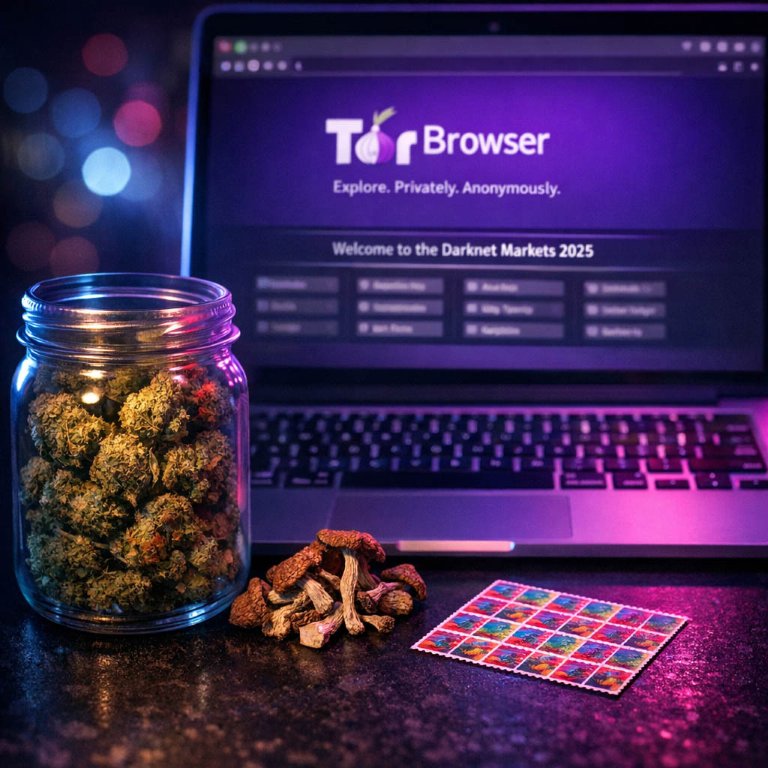
How Reviews Keep Drug Quality High on the Darknet
The sustained quality of goods on darknet markets is a direct result of a self-regulating reputation-based ecosystem. This system functions through transparent feedback mechanisms where buyers post detailed reviews and ratings after each transaction. A vendor's long-term success depends entirely on maintaining a high average rating and a history of positive feedback, which is publicly visible on their profile. This creates a powerful economic incentive for consistency and reliability.
Vendors invest in quality control to protect their business standing. They understand that negative reviews for underweight products or impure substances will directly reduce future sales. Consequently, many established vendors implement their own testing and provide accurate descriptions, as their digital reputation is their most valuable asset. The feedback system is not one-sided; buyers who file unfair disputes or leave malicious reviews can themselves receive negative ratings, promoting honest communication from both parties.
The process is straightforward: a buyer completes an order and the marketplace system prompts for feedback. This typically includes a 5-star rating and comments on specific aspects.
- Product quality matching the advertisement
- Stealth and packaging of the shipment
- Communication speed and professionalism
- Shipping time and overall value
This cumulative data allows new buyers to make informed decisions based on collective experience, effectively crowd-sourcing trust. Markets with robust escrow services further reinforce this, as funds are only released to the vendor after the buyer confirms satisfactory receipt. This structure aligns the interests of both parties, fostering an environment where high-quality service and product consistency become the normative standard for commercial survival.