Darknet Markets 2026:
The dark web is part of the deep web but is built on darknets: overlay networks that sit on the internet but which can't be accessed without special tools or software like Tor. Tor is an anonymizing software tool that stands for The Onion Router — you can use the Tor network via Tor Browser.
| Darknet Market | Established | Total Listings | Link |
|---|---|---|---|
| TorZon Market | 2022 | 140+ | Onion Link |
| Nexus Market | 2024 | 600+ | Onion Link |
| Abacus Market | 2022 | 100+ | Onion Link |
| Ares | 2026 | 100+ | Onion Link |
| Cocorico | 2023 | 110+ | Onion Link |
Updated 2026-07-28
How Darknet Lists Make Shopping Easier and Safer
Darknet market lists function as curated directories for navigating the ecosystem of online platforms. Their primary utility lies in aggregating operational markets into a single, accessible resource, which directly addresses the fundamental challenge of discoverability and verification in a decentralized environment. These lists are not static; they are dynamic tools updated to reflect the current status of markets, filtering out those that are offline or have been compromised.
For a user seeking a secure shopping experience, the value begins with initial screening. A reliable list provides immediate data points:
- The market's operational status (online/offline)
- Its web address or onion link
- Basic indicators of stability, such as its time online
The transition from finding a market to identifying a trusted vendor is supported by the analytical depth of comprehensive lists. They often compile or link to user-generated metrics that are critical for decision-making:
- Vendor feedback scores and review counts
- Historical data on order completion rates
- Records of vendor activity across different market iterations
Finding a Working Darknet Market for Your Needs
Darknet market lists function as a real-time availability index. They track the operational status of platforms, showing which are currently online and accessible. This is fundamental because a market's website address, or URL, frequently changes to avoid disruption. Lists provide these updated mirror links, ensuring users can find a working gateway.
The mechanism involves automated checks and user reports. Lists often employ a monitoring system that pings market servers at regular intervals. A green status indicator confirms the site is responding, while a red flag signals downtime. This downtime can be routine maintenance, a Distributed Denial of Service (DDoS) attack, or a more permanent exit. User communities on forums also contribute immediate feedback on access issues, which list administrators verify and reflect.
Beyond simple uptime, lists assess if a market is functioning correctly. This means checking core features:
- The deposit and withdrawal systems for cryptocurrencies are processing transactions without error.
- The escrow service, which holds funds until delivery is confirmed, is active and secure.
- Vendors can list items and update inventories, and customers can place orders and finalize them.
A market listed as "online" but with widespread user complaints about frozen funds or buggy interfaces is effectively non-functional. Therefore, a reliable list combines technical uptime data with community-sourced information on performance, offering a clear picture of which platforms are truly ready for secure commerce.
Finding What You Need: Product Variety on Different Darknet Markets
A darknet market list functions as a comparative catalog, detailing the product variety available across different platforms. These lists show that some markets specialize in specific categories, such as pharmaceuticals or digital goods, while others offer a broader, more generalized inventory. This allows for efficient sourcing based on specific needs.
The analysis of product selection extends to quality and rarity. Lists often highlight markets that are primary sources for new or niche substances, providing access to products that may be scarce on other platforms. This diversity supports a competitive environment where quality and innovation are incentivized.
To organize this information, lists typically break down categories:
- Psychoactive substances and their subdivisions (e.g., stimulants, psychedelics)
- Digital products including software and data
- Forged documents and counterfeit currency
- Other miscellaneous goods and services
This structured comparison enables a user to quickly identify which market has the highest concentration of vendors for a desired product, streamlining the procurement process. The breadth of a market's catalog is a direct indicator of its activity and economic health within the darknet ecosystem.
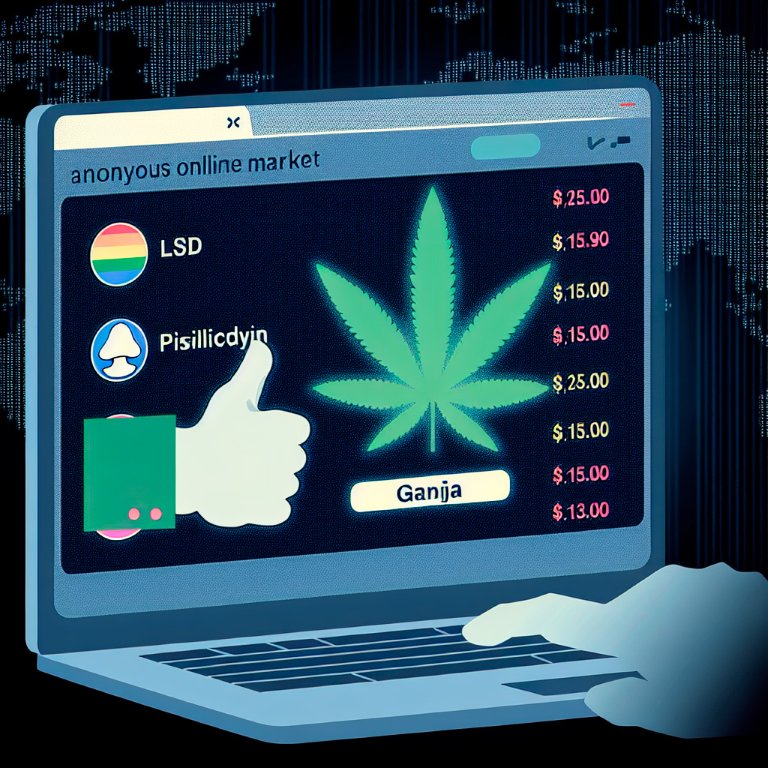
How to Find Trusted Vendors on the Darknet
A darknet market list functions as a consolidated feedback system, aggregating user experiences to assess vendor reliability. The vendor reputation score, typically displayed next to the vendor name, is a primary metric. This score is calculated from historical transaction data and user-submitted ratings. A high score, often above 4.5 out of 5, indicates consistent fulfillment of orders as described.
Successful sales volume, shown as a number of completed transactions, provides another critical data point. A vendor with thousands of completed sales and a high rating has demonstrated operational stability over time. Market lists allow for direct comparison of these figures across different platforms. For instance, a vendor specializing in psychedelics may have a stronger reputation on one market, while a vendor for pharmaceuticals might be more established on another.
Detailed feedback comments are essential for qualitative analysis. Users report on product purity, shipping speed, stealth packaging, and communication. Patterns in comments reveal consistent vendor behavior. Lists that archive older feedback prevent vendors from artificially inflating their score by manipulating recent reviews. The system creates a transparent environment where trust is quantifiable through verified purchase reviews and statistical performance.
How Good Reviews Boost Darknet Market Listings
User reviews and ratings form the core of a darknet market list's ranking algorithm. These are not simple popularity contests but aggregated data points that reflect real transaction outcomes. A market's position on a list directly correlates with the volume and quality of its user-generated feedback. Positive reviews increase a market's visibility and trust score, pushing it higher in the rankings, while consistent negative reports trigger a downgrade.
The system analyzes several review components:
- Product quality accuracy: Reviews confirm if the received product matches the vendor's description in purity and weight.
- Shipping speed and stealth: Feedback on delivery times and packaging discretion is critical for operational security and satisfaction.
- Vendor communication: Ratings assess how reliably and professionally a vendor communicates before and after a sale.
This feedback loop creates a self-regulating environment. Vendors with high ratings and many completed sales gain a trusted status, which is prominently displayed. New or unreliable vendors are quickly identified through poor reviews, protecting buyers. Therefore, a market featuring a high concentration of top-rated vendors will consistently rank well, as it demonstrates a proven track record of successful transactions.

How Security and Payment Privacy Boost Darknet Market Ratings
A market's rating on a darknet market list is heavily influenced by its operational security and the financial privacy it offers. These lists analyze and compare the security features that protect both buyers and vendors. Markets implementing multisignature (multisig) escrow receive higher ratings, as this system distributes control of funds, reducing the risk of exit scams. The mandatory use of PGP encryption for all communications is another critical factor; lists highlight platforms that enforce this, ensuring private addresses and details are not stored on vulnerable servers.
Similarly, payment methods directly affect a market's score and user trust. Lists detail which markets support Monero (XMR), a cryptocurrency with stronger privacy features than Bitcoin, and favor those that do. The availability and reliability of escrow services are always noted, as they hold payment until the buyer confirms receipt, preventing fraud. Markets that offer direct deals or a finalize early option are also categorized, though often with cautionary notes about the increased risk. By aggregating this data, lists provide a clear, comparative view of which platforms prioritize secure transactions and financial anonymity, enabling users to make informed choices for safer shopping.
How Darknet Lists Track New Products and Market Trends
Darknet market lists function as a dynamic registry, continuously updating to reflect the operational status of platforms. This real-time tracking is crucial for identifying which markets are currently online and accessible, directly impacting the availability of goods and services. The lists monitor market uptime and withdrawal functionality, providing a clear signal of a platform's stability and reliability for transactions.
Beyond basic functionality, these lists catalog the introduction of new products and emerging vendors across different platforms. By aggregating this data, they reveal trends in product diversity and innovation. A market that consistently features novel or high-demand items gains visibility, influencing its position in the rankings. This creates a feedback loop where consumer interest, reflected through list analytics, guides both vendor offerings and market specialization.
The evolution of a market's product catalog and vendor base is a key metric for its reputation. Lists track these changes, allowing for a comparative analysis over time. Factors observed include:
- The growth or decline in the total number of active vendors.
- Fluctuations in product categories and listing counts.
- The velocity at which new vendor accounts establish positive feedback.

How lists help you find good drugs on the darknet
Darknet market lists function as dynamic directories, aggregating operational platforms and providing comparative metrics. These lists enable users to identify reliable darknet markets by displaying real-time status, such as which sites are online and accessible. This immediate verification prevents wasted effort on defunct or inaccessible links, forming the first practical filter for secure engagement.
The selection of a market is further refined by analyzing its product variety and vendor ecosystem. Lists often categorize markets by their specialty, whether in pharmaceuticals, digital goods, or other commodities. A market with a broad, well-organized catalog typically indicates a mature platform with established administrative processes. For vendor assessment, lists frequently integrate vendor ratings and feedback scores. A trusted vendor is usually distinguished by a high number of completed transactions and consistently positive user reviews, which are detailed in market list profiles.
Security and transaction reliability are paramount. Market lists evaluate and highlight critical features:
- The availability of escrow services to hold funds until order completion.
- The implementation of two-factor authentication (2FA) for user accounts.
- Support for discreet and secure payment methods like Monero (XMR).
Ultimately, these aggregated data points guide decision-making. By cross-referencing a market's uptime, vendor feedback scores, and security infrastructure from a list, a user can make an informed choice. This systematic approach reduces risk and enhances the probability of a successful and secure transaction on the darknet.